Translating Elementor content does not always mean that every language must use the same page structure. A multilingual website may need a different header, footer, post layout, archive design, or other Theme Builder presentation for each language.

Translating Elementor content does not always mean that every language must use the same page structure. A multilingual website may need a different header, footer, post layout, archive design, or other Theme Builder presentation for each language.

Sometimes a Gutenberg block needs to disappear from a page without being removed permanently. You may be preparing a section for a later launch, testing an alternative layout, or creating different presentations for desktop, tablet and mobile.

Lazy loading can reduce the number of images requested when a WordPress page first opens, but it is not equally suitable for every image. A hero image visible immediately, a likely Largest Contentful Paint image or an image involved in an above-the-fold display problem may need a different loading treatment.

Elementor form submissions are useful only when a website team can find, review and handle them in a controlled way. The native Elementor workflow lets administrators access collected entries in WP-Admin, inspect individual submissions and export all or selected records to a CSV file.

When a custom post type does not appear in the WPML Translation Dashboard, the problem is often not the content itself but its translation state. A post type registered by a theme or plugin may be set to Not translatable, which keeps it outside the normal multilingual workflow.
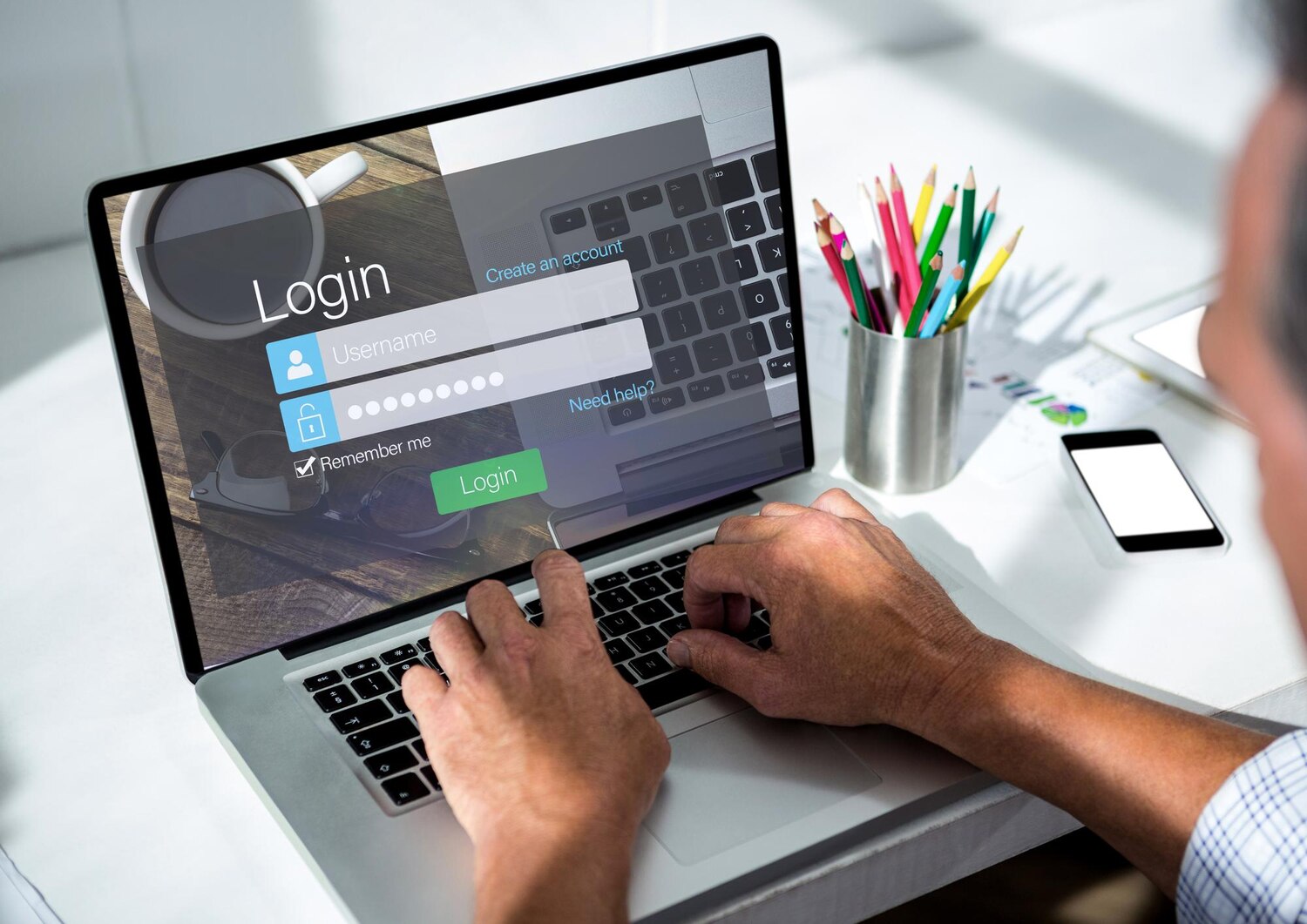
WordPress passkey login can give site owners a modern authentication option without forcing every user to abandon passwords immediately. This matters for websites with administrators, customers, freelancers, or teams who may use different devices and may not yet have enrolled a passkey.
WPML menu translation is not one universal procedure. The correct workflow depends on how navigation was built and what each menu item points to. A classic theme may manage menus through the familiar menu interface, while a block theme uses the Site Editor and its Navigation block.
Translating content stored in Advanced Custom Fields requires more than translating the visible text of a post or page. A multilingual WordPress website may also contain field groups, repeater rows, Flexible Content layouts, selectable values, editor labels, and global settings stored in ACF Options Pages.

The WPML language switcher is more than a visual control for changing the language of a WordPress website. Its location, labels, behavior on untranslated pages and handling of URL arguments can all affect how visitors move through a multilingual site.

A WordPress login can be rejected even when the user believes the entered password is correct. One possible reason is Wordfence breached password protection: the password matches a password on a list derived from passwords exposed in data breaches.