WordPress speculative loading is a browser-assisted way to prepare likely future navigations before a visitor follows a link. Through the Speculation Rules API, a site can expose selected URLs for prefetching or prerendering.


WordPress speculative loading is a browser-assisted way to prepare likely future navigations before a visitor follows a link. Through the Speculation Rules API, a site can expose selected URLs for prefetching or prerendering.
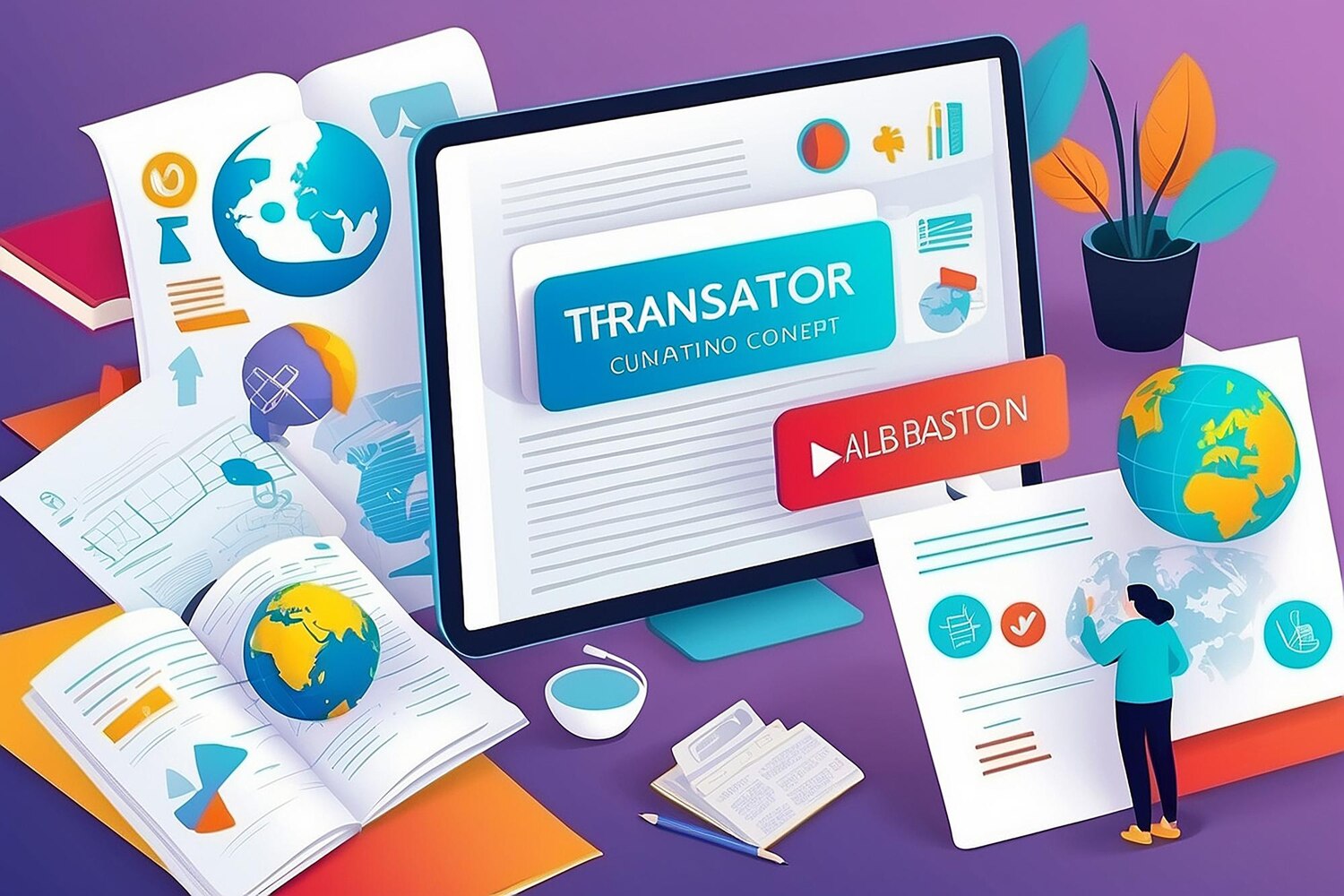
WPML automatic translation is not only a way to translate a page once. With the right settings, it can become an ongoing multilingual WordPress workflow that also handles newly published content.

Cloudflare Turnstile can add a practical anti-abuse layer to WordPress forms, WooCommerce checkout flows and Elementor Pro Forms. It is important, however, to understand what this protection actually does.

Elementor Loop Carousel is designed for websites that need to present changing content in a horizontal, interactive format. Instead of building every card manually, you prepare a reusable loop template and connect it to a query that determines which posts, pages, landing pages or products appear.

The Elementor Image Carousel gives WordPress site owners a compact way to present several images in an interactive area. It can support portfolio previews, testimonial imagery and product or service showcases without requiring every image to occupy a separate section of the page.
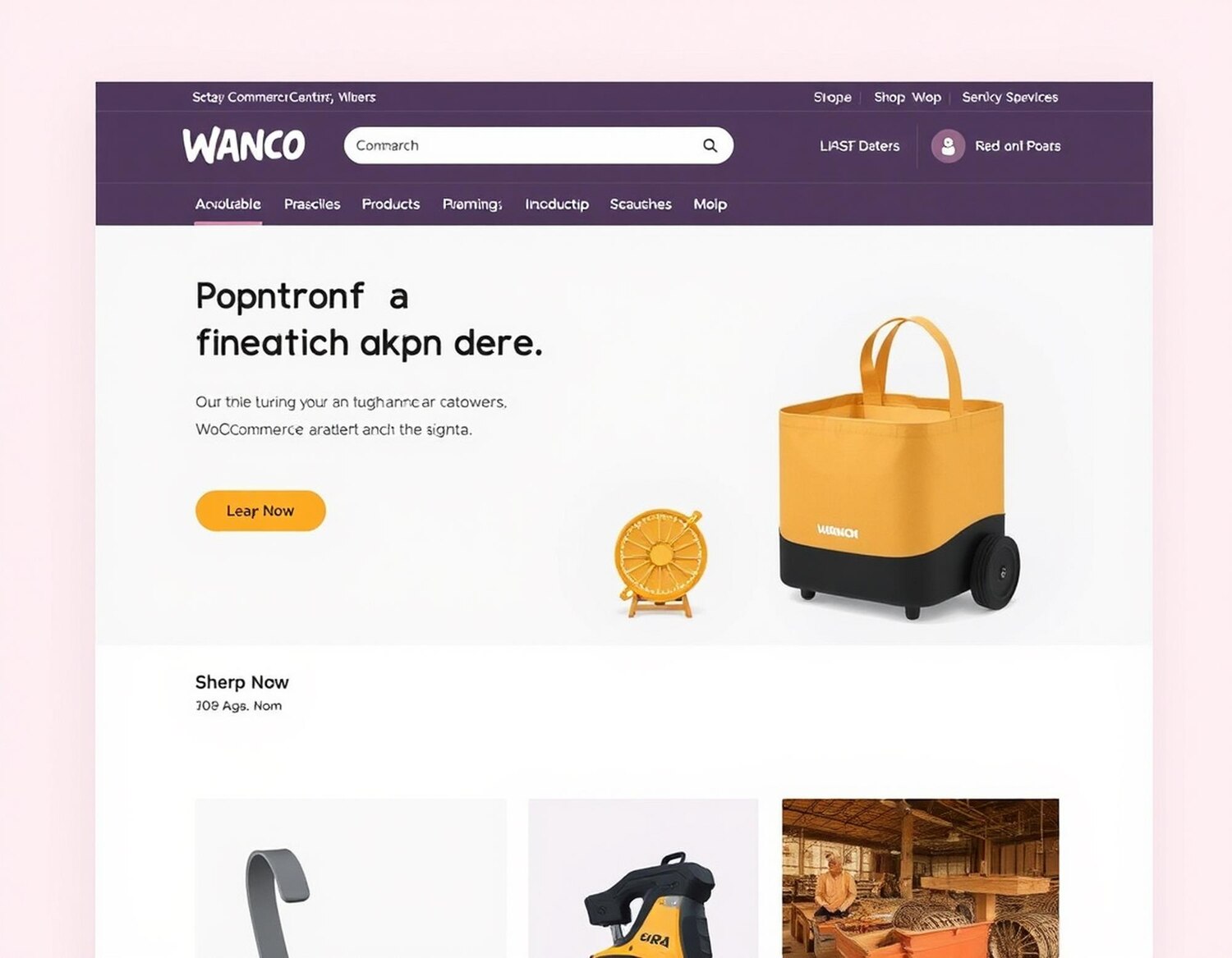
Moving a repeatable website structure between WordPress installations does not always require rebuilding every page by hand. Elementor website templates can package selected parts of a site so an agency, freelancer or site owner can reuse them in another project.

A slow WordPress page can have several different causes. Database queries may take too long, a plugin or theme may perform repeated work, an HTTP API request may delay server-side generation, or PHP errors and other request activity may contribute to the problem.

Elementor Taxonomy Filter is designed for a specific page-building workflow: filtering items displayed in a Loop Grid by taxonomy terms such as categories or tags. For WooCommerce stores, this makes it possible to connect a product listing with visitor-facing choices based on the product taxonomies used in the catalog.

Maintaining the same call to action, notice, form or content block across several WordPress pages can become difficult when every page contains a separate copy. A change that should be consistent may then require repeated editing, while one missed location can leave the site with mixed wording or design.

Multilingual WordPress websites often use the same brand names, product names, abbreviations, and technical terms across product pages, navigation, checkout content, documentation, and marketing campaigns.