Choosing between Elementor Flexbox Containers and traditional sections and columns is not simply a question of replacing an older feature with a newer one.

Choosing between Elementor Flexbox Containers and traditional sections and columns is not simply a question of replacing an older feature with a newer one.
WooCommerce scheduled sale prices let you define a promotional window for a product without changing the price manually when the campaign begins or ends.
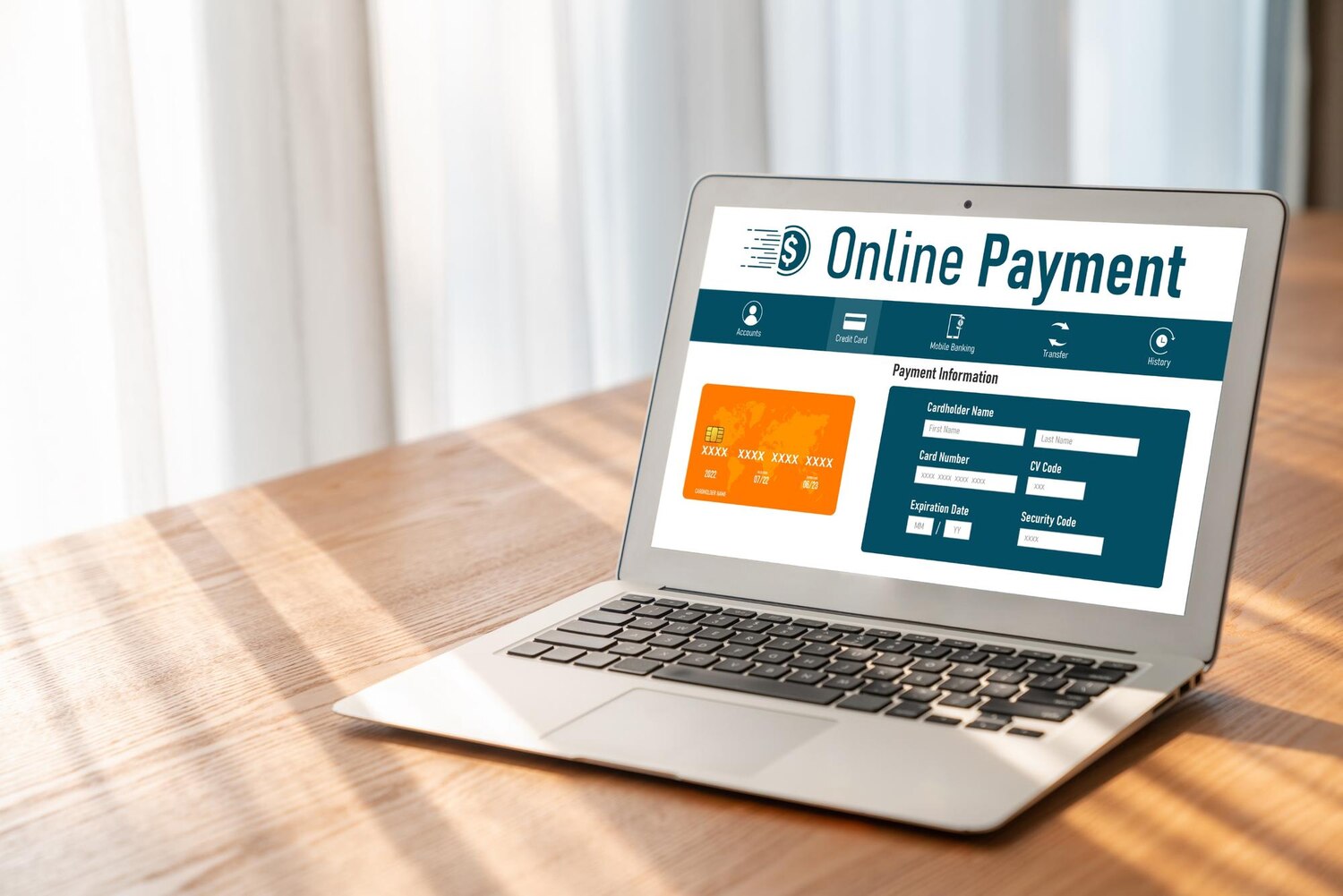
WooCommerce saved payment methods can make repeat checkout more convenient for customers who return to your store. In the documented Stripe for WooCommerce integration, an eligible logged-in customer can choose to save a payment method during checkout and use it again later.

Breadcrumbs are compact navigation paths that show where a visitor is located within a WordPress website. On a content site, the trail may reflect the site structure and hierarchical taxonomies such as categories and tags. On a store, it can help connect a product with the relevant taxonomy and archive pages.

WordPress plugin and theme auto-updates can reduce routine administration, but they should not be treated as an immediate or risk-free switch. WordPress manages these updates as scheduled background tasks, with separate controls for individual plugins and themes.

WooCommerce add-to-cart URLs let you connect a campaign, landing page or promotional call to action with a specific product in the cart.

The WooCommerce My Account page is the customer-facing dashboard for important account functions. Depending on the active theme and installed extensions, customers may use it to review orders and downloads, manage addresses and saved payment methods, update account details and log out.

Choosing a product model for a configurable kit in WooCommerce is not only a matter of how options appear on the product page. The important question is what the customer is actually configuring and how the store must represent inventory after the purchase.

WPML String Translation helps manage the recurring interface text that appears around WordPress content: plugin messages, theme labels, widget titles, menu text, form instructions and error messages. This is different from translating the text of an ordinary post, page or taxonomy.

Customizing the WooCommerce checkout can make the order process better aligned with a store’s products, customers, and internal workflows. You may need an extra text field, a selection list, a delivery-related detail, or a field that appears only for a particular cart or user role.